Inside The Luxury Boutique Hotel Gateway to Machu Picchu
Featured Property Andenia Boutique Hotel
Opening 2019
Location Sacred Valley, Peru
Featured Visionary Mary Moses, Michael Moldauer & Michel Seiner
This film was created in collaboration
Ensifera Hummingbird Sanctuary · Luna's Horses · Las Manos · Piuray Outdoor Center
Three people who built Peru's first food halls together decided the logical next step was a hotel. They looked in Lima and Cusco. Then a friend pointed them toward the Sacred Valley, and Mary Moses drove up to see it first. She remembers the sunlight, the gardens, the sound of the water and the small waterfall. She found it such a peaceful place. The three of them fell in love with it and decided to begin their first hotel project there. They opened in April 2019, one year before the pandemic. During the difficult years that followed, this place became their baby. They bring their families here. They always have.
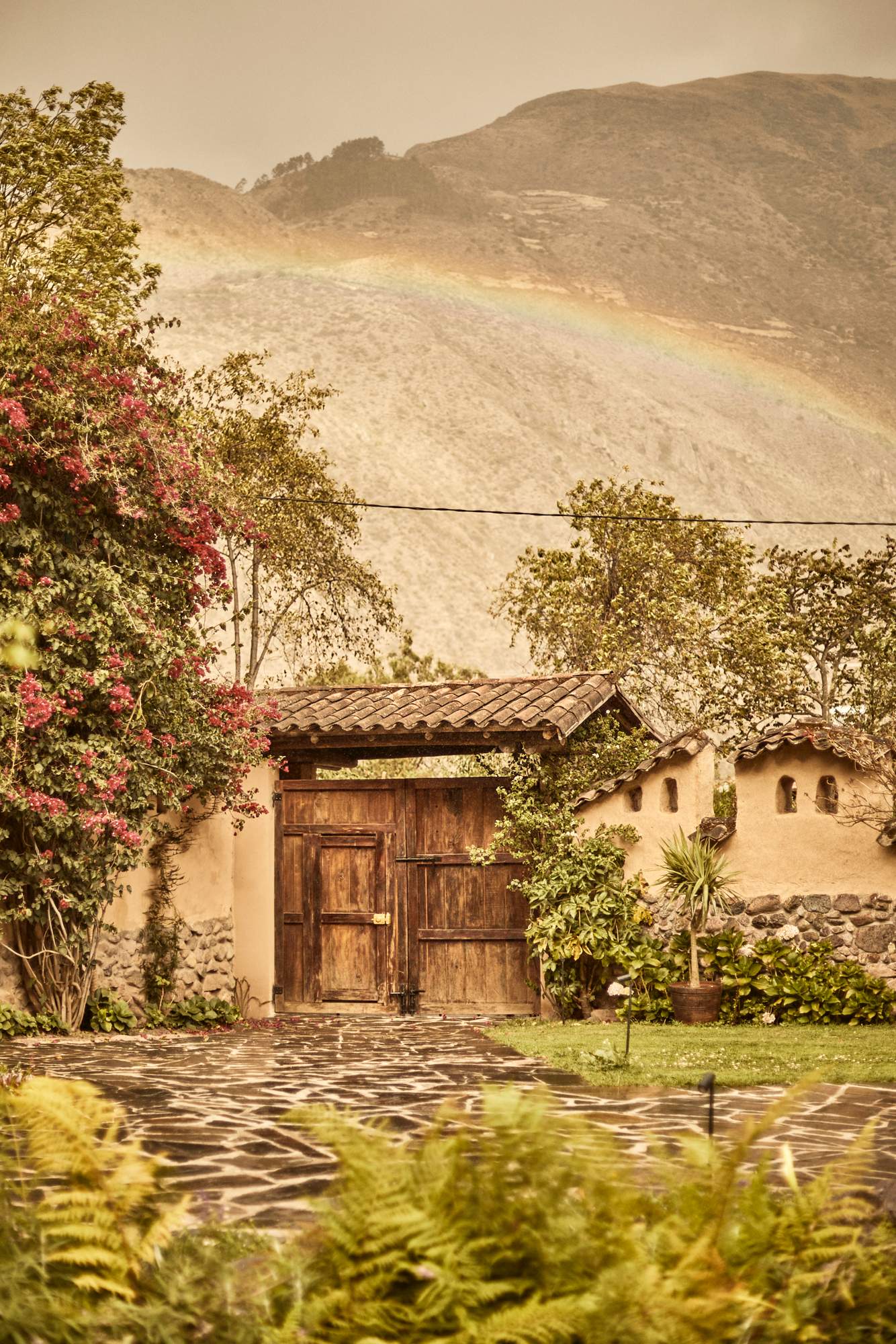
Mary Moses is American but has lived in Peru for 16 years. She is now Peruvian, married to a Peruvian, and her children were born here. She built her career across international tourism and finance, including senior work for a multinational operator in Vietnam and Peru, and an MBA from Harvard Business School, before meeting Michael Moldauer and Michel Seiner through Mercado 28, the food halls they built together in Lima. Michael grew up between Switzerland and Peru. Michel came from the restaurant world. Both had spent years connected to the Gastón Acurio group, one of Peru's most celebrated culinary forces. When the three concluded that a hotel was the natural next project from their combined backgrounds, they looked mainly in Lima and Cusco before a friend showed them the Sacred Valley site. Mary visited first, around 2016 or 2017. The gardens were already there. The small casitas were already there. The mountains were already there. They renovated rather than rebuilt, used wood and adobe, kept the earth palette, brought in architect Pamela Remy, and let the existing landscape lead. Andenia opened in 2019 with nine rooms and the pandemic arrived almost immediately after. Recovery in Peru was slower than almost anywhere else. In those years the property became something more than a business. The three partners brought their children, parents, brothers and sisters. It became a place to be together. Today there are 14 keys, nine rooms across two casitas and five private villas, set within six thousand square metres of gardens that still set the terms for everything else here.
"We fell in love with the gardens, the spot, the space and the vision. The idea is that when you come here, you can connect with your family, connect with nature and connect with your friends, and disconnect from technology."
Mary Moses - Co-Founder
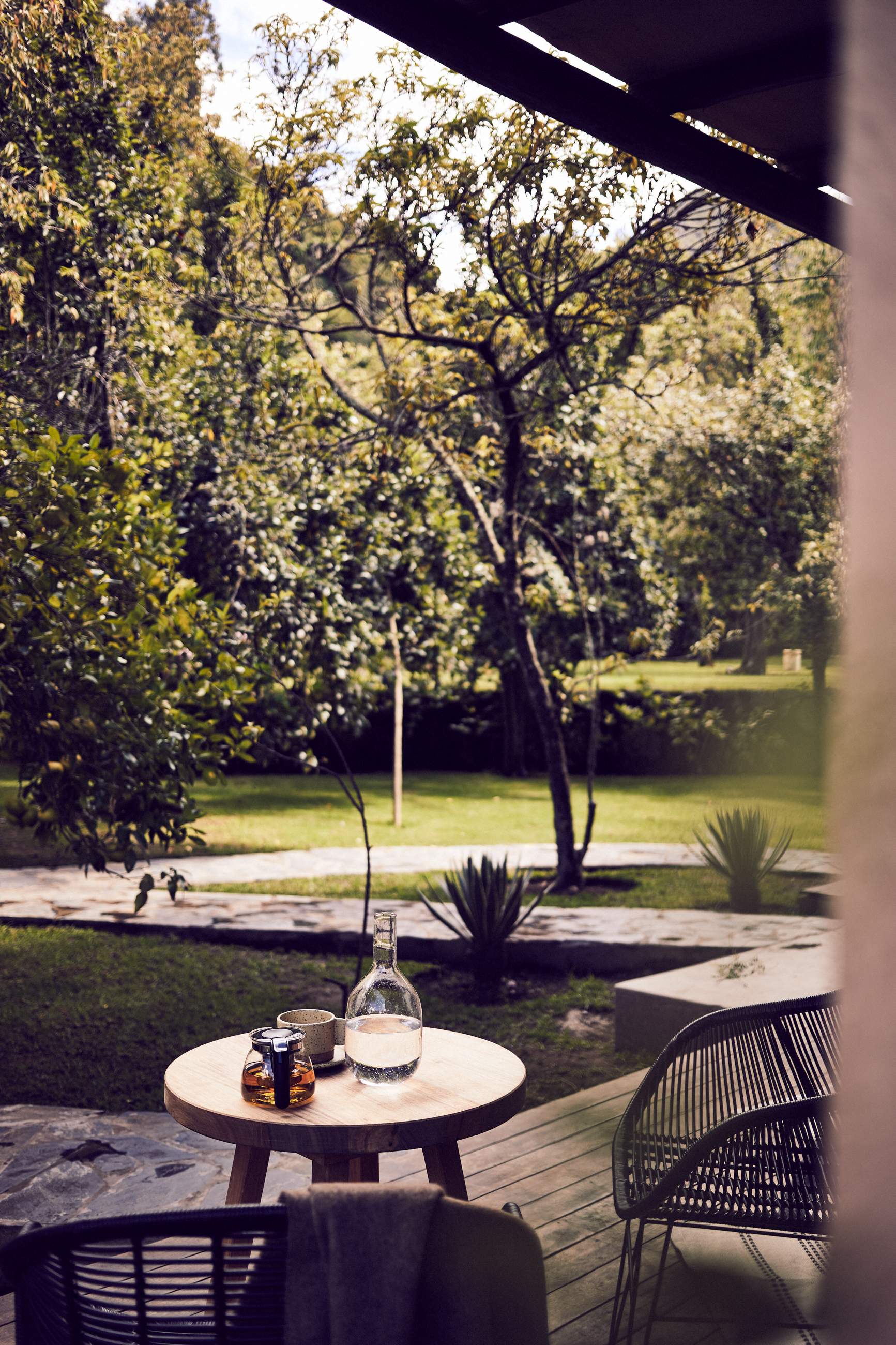
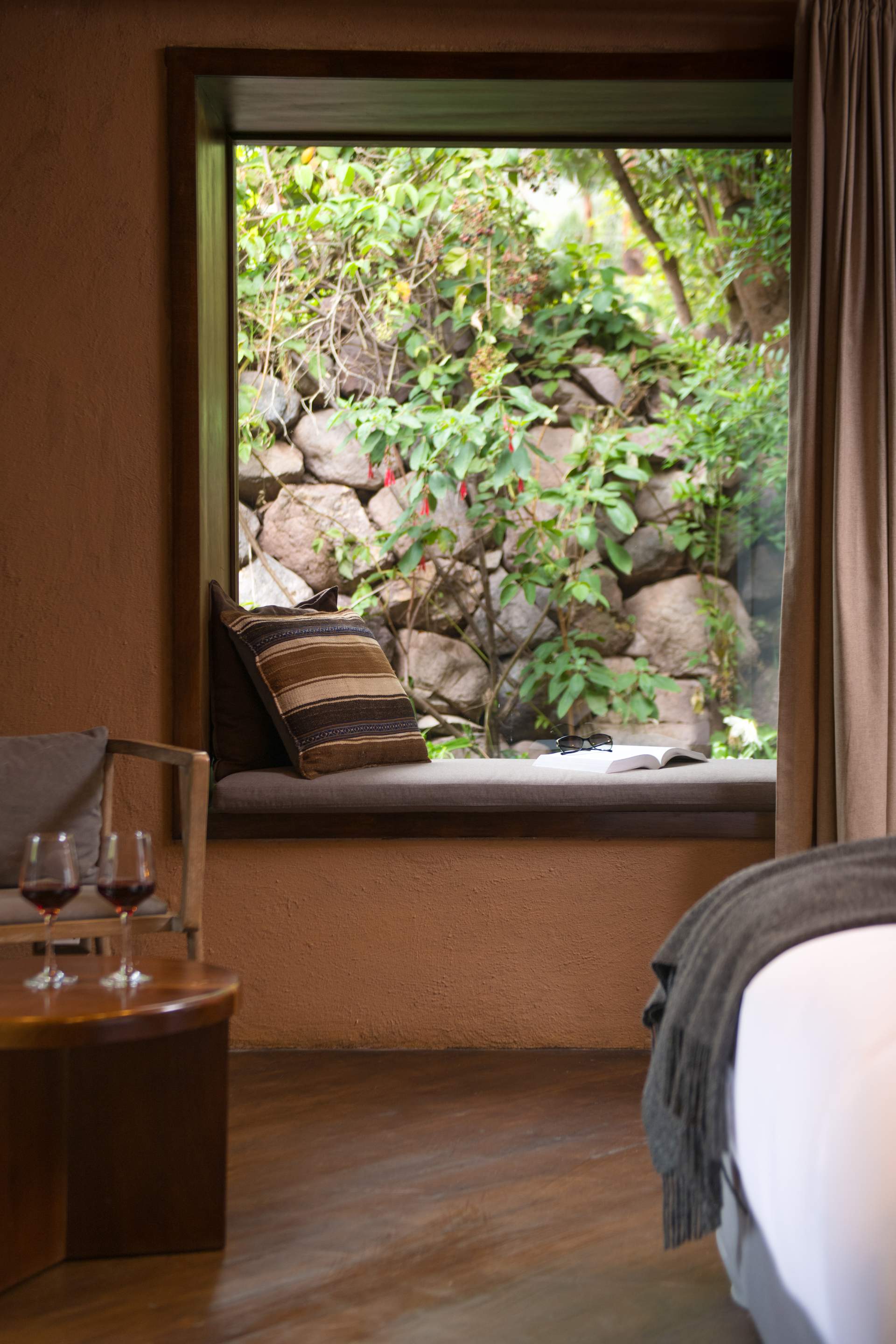
Pamela Remy shaped the renovation around what was already there. The three casitas were kept and rebuilt rather than replaced. Local wood and adobe. Earth colours. Natural materials wherever possible. The philosophy Mary and her partners called wabi-sabi, the Japanese aesthetic of honest imperfection, found a natural home at 2,800 metres in the Sacred Valley. No televisions in the rooms by deliberate choice, because rooms were not intended to be the centre of the stay. High-speed internet remains available because the founders are practical people, not dogmatists. The gardens are the point. Six thousand square metres of fruit trees, muña mint, native planting and paths that lead you into the landscape rather than around it. A stone pool circuit holds water at three temperatures. Hammocks. Bonfires at night. A terrace with coffee in the morning. Eucalyptus placed in the showers so the hot air carries it through the room, which at altitude does something for the breathing that is difficult to explain and easy to feel. Maras salt on every table, sourced from the cooperative whose families have worked those terraces for more than three thousand years. Marmalade made from fruit the trees in the garden produced. Organic shampoo that took months to source because the right one had to come from a local supplier.
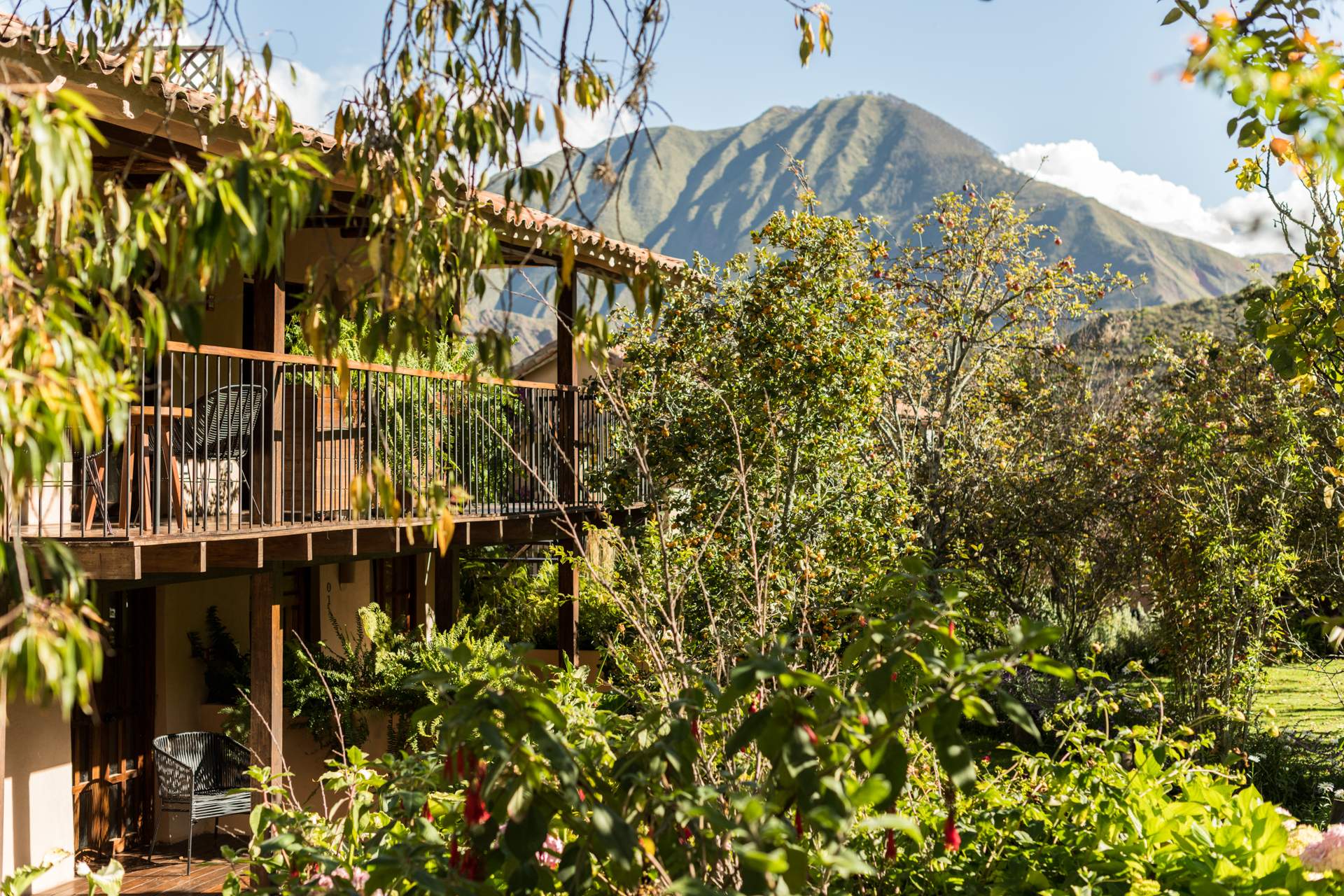
The philosophy at Andenia is operational, not decorative. Choosing a shampoo took months because the founders wanted something organic and produced locally. The slippers in the rooms are washable and made in the Sacred Valley, because the alternative was the single-use disposable kind. The alcohol is Peruvian, because Peru makes excellent gin, vodka and rum that most international visitors have never encountered. The coffee is Peruvian, because the country produces exceptional beans that rarely leave it. The salt is from Maras, a pre-Inca cooperative ten minutes away whose families have been working the same ponds for more than three thousand years. Mary describes these decisions as difficult. The local option is often harder to find, slower to source and less convenient to order. The founders make that choice because the alternative is a hotel that could be anywhere, and Andenia is specifically here.
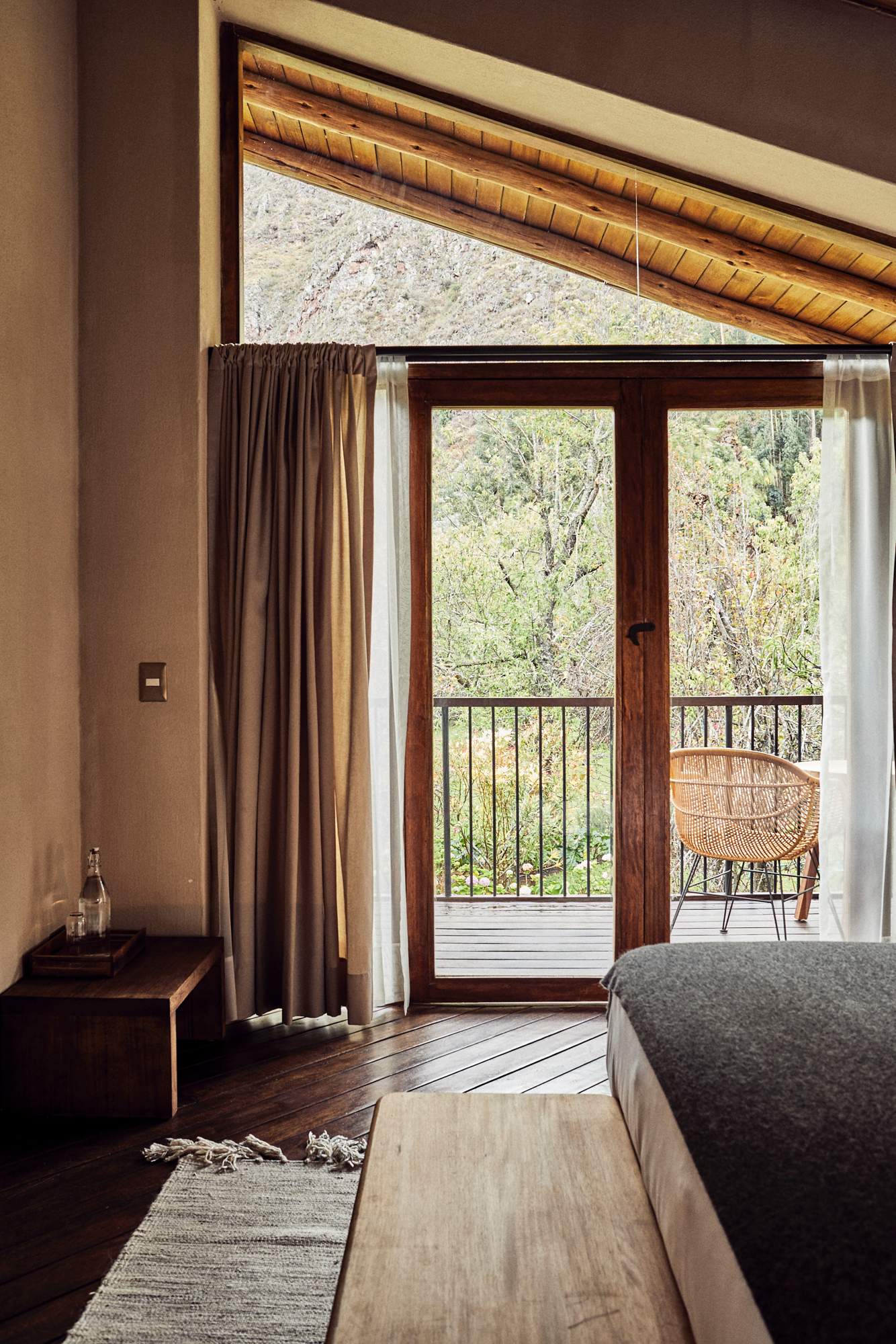
Fourteen rooms, nine across two casitas and five private villas, each with a private terrace or balcony opening to the gardens and mountains. No televisions. Rooms are designed to be comfortable rather than dominant. The stay is in the gardens, at the stone pool circuit, in the hammock, around the bonfire. Mornings begin with breakfast from local produce, marmalade from the fruit trees and muña tea picked in the garden. Coca-leaf infusions are offered for guests arriving from lower altitude. Days organise around the valley. Moray, the Incan circular agricultural terraces used to test altitude and climate, is nearby. The salt ponds at Maras are a short drive. Ollantaytambo is the base for the train to Machu Picchu, two and a half hours through cloud forest. Andenia partners with Ensifera Hummingbird Sanctuary, Luna's Horses, Las Manos and Piuray Outdoor Center for what the valley does best. Most guests find they need more time.
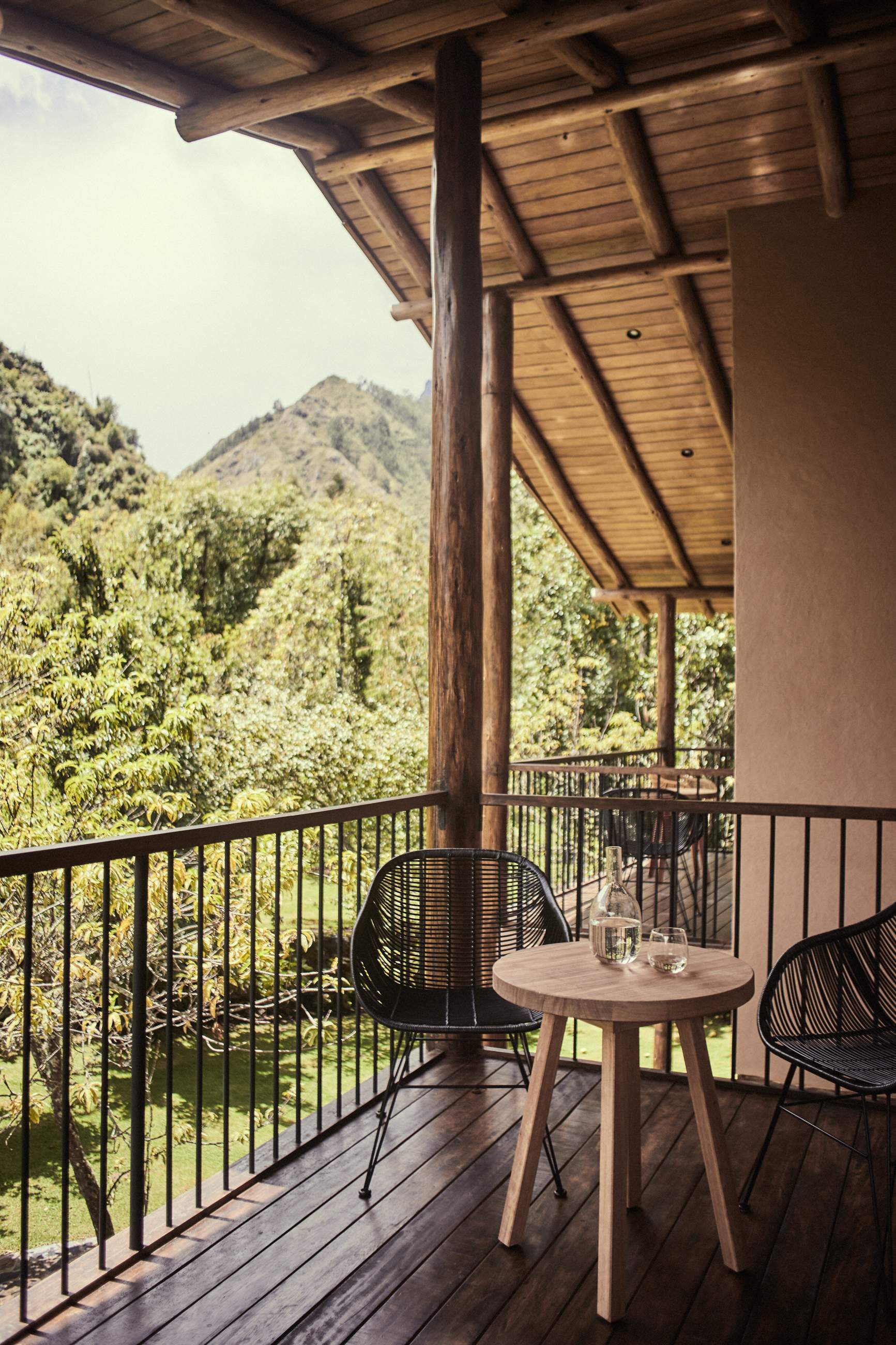
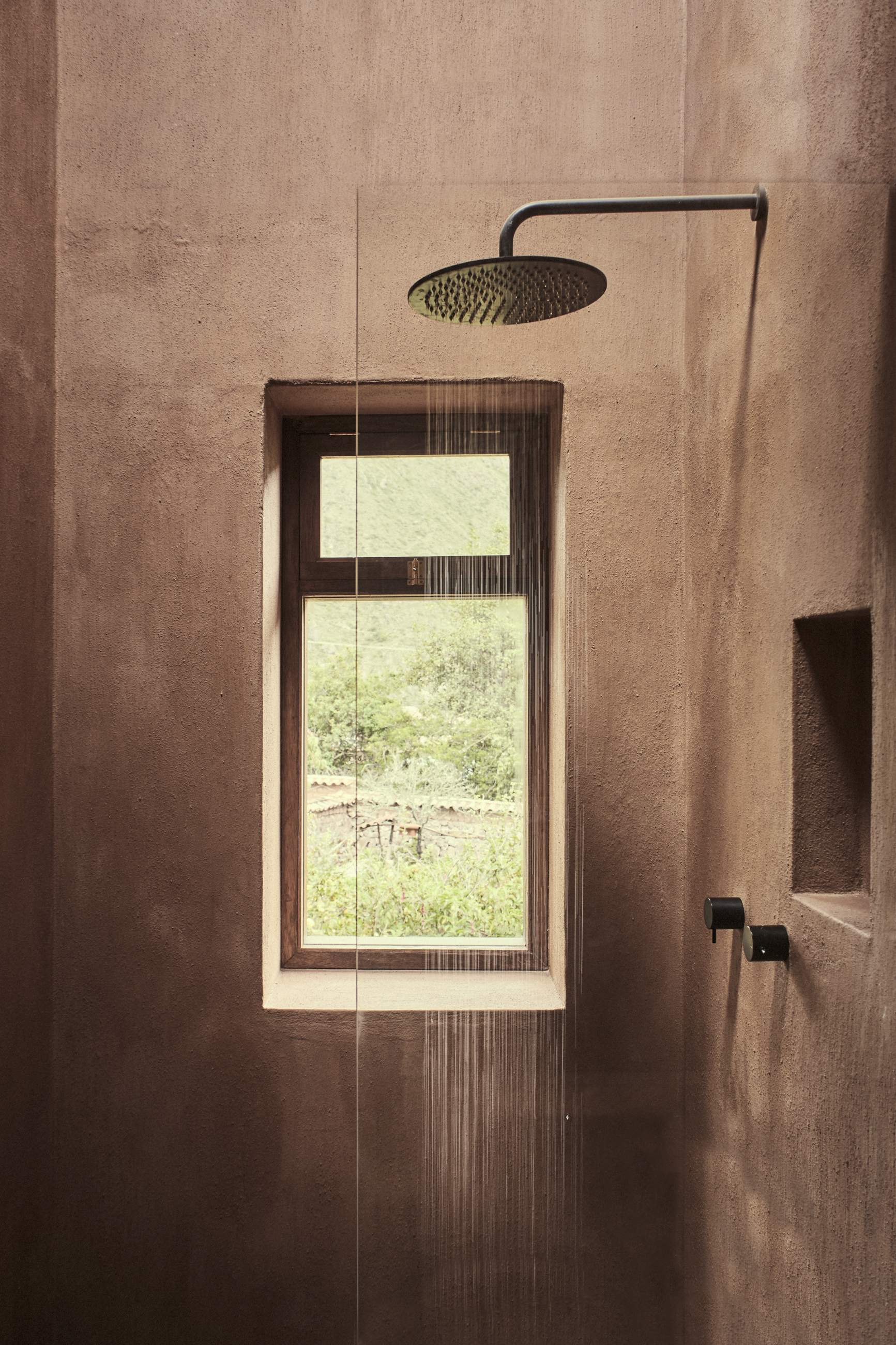
"I define casual luxury as luxury through attentiveness to detail and personalised service. Because we only have 14 rooms, we can know every day who is arriving, when they're arriving, what they're doing, what they need, what their plans are and what time they want dinner. It becomes a much more personalised interaction."
Mary Moses - Co-Founder
Andenia Boutique Hotel opened in April 2019 and became a Design Hotels member and MICHELIN Guide listed property, recognised not for scale but for the precision of its care. The name is not a real word. The founders created it from andino, the Andean region, because nothing else felt right. The gardens came first. The casitas were renovated around them. The mountains were always there. At 2,800 metres in the valley the Incas considered sacred, between Cusco and Machu Picchu and surrounded by salt mines, hummingbird sanctuaries, horseback trails and artisan workshops, it is a place built on a simple belief. The experiences you really remember are often the ones nobody planned for you.