Visionaries
Visionaries
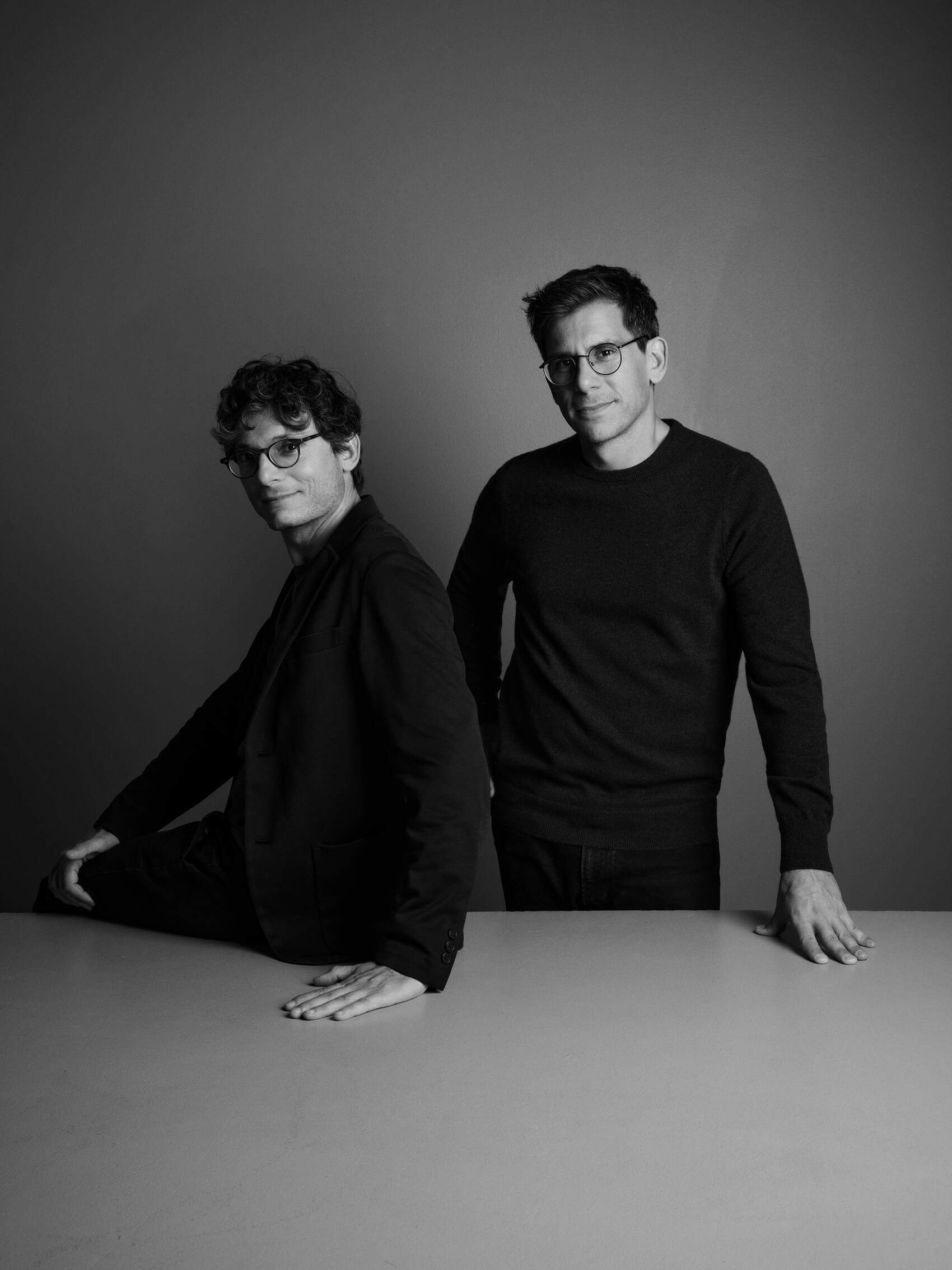
Dimitris & Konstantinos Karampatakis
Design Studio Founder-K-studio
Athens, Greece
Two brothers grew up in Athens, in a city layered with three thousand years of history, where the past is never decoration but always present. Both parents were architects. Their father took them to construction sites on weekends not to admire what was finished but to understand what was being made. By the time they were teenagers they were building structures in the garden that served no practical purpose. That was never the point. The point was learning to read a place from the inside.
The Story of Dimitris & Konstantinos Karampatakis
Two brothers raised around construction who returned home to build a practice that became one of the defining architectural voices of contemporary Greece.
Origin
Both parents were architects. Summers were spent on Mykonos absorbing whitewashed walls and spaces shaped by wind rather than aesthetic preference. They chose The Bartlett School of Architecture at UCL specifically because of its workshop. They wanted to make things, not just draw them.
Former Life
Architecture students at The Bartlett, London. Then a year working inside Will Alsop's London practice. Dimitris describes Alsop alongside his father and the act of travel as the three most formative influences on his thinking. They returned to Athens during the financial crisis when almost nobody was building.
The Turning point
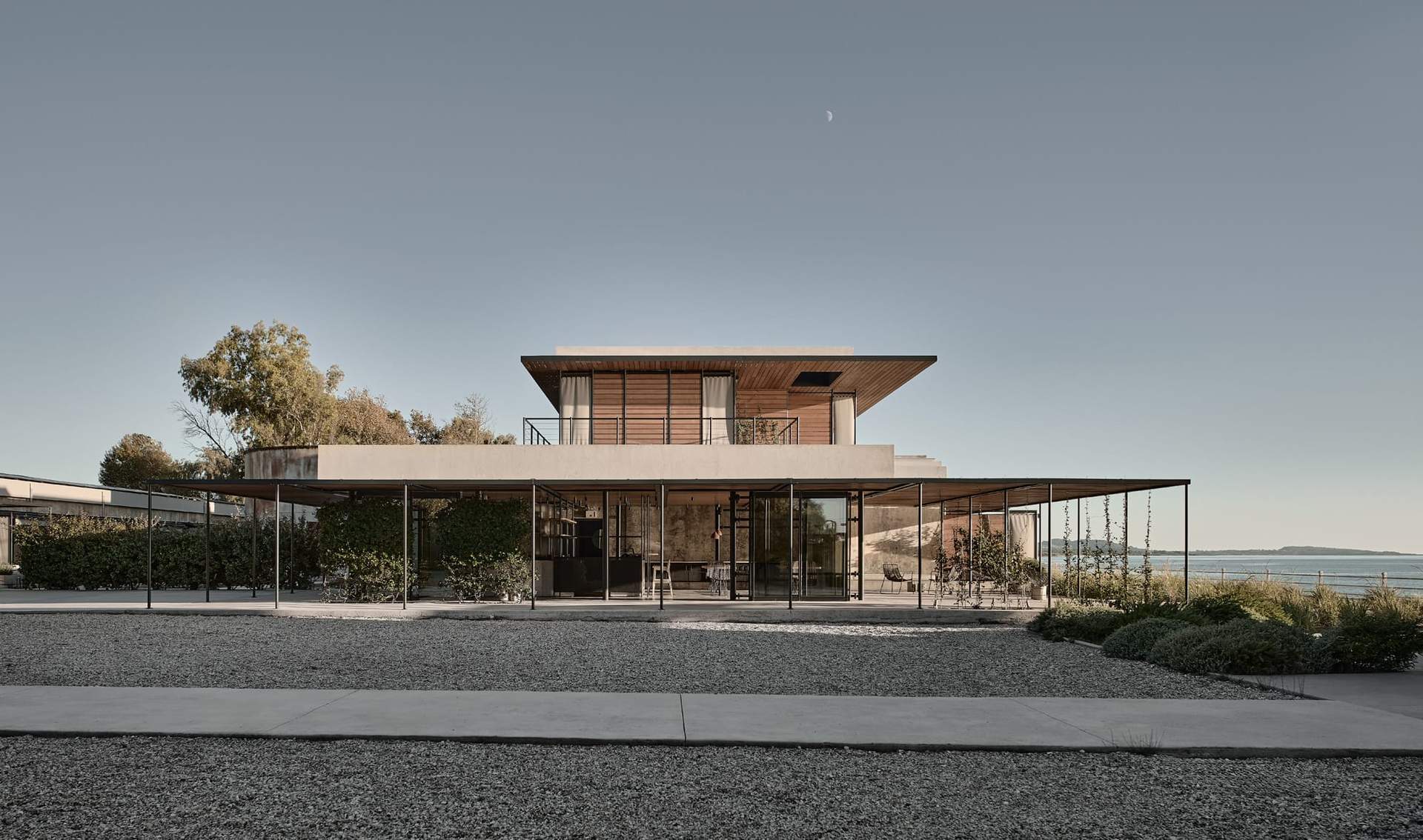
Nikos Karaflos called and asked them to transform a ruined wine factory into a hotel. Their brief to themselves was immediate: do not hide the concrete. Do not paint it. Do not soften anything. Treat the century of salt and age as the most valuable material on site. The workers had to be convinced not to clean the walls.
Obsession
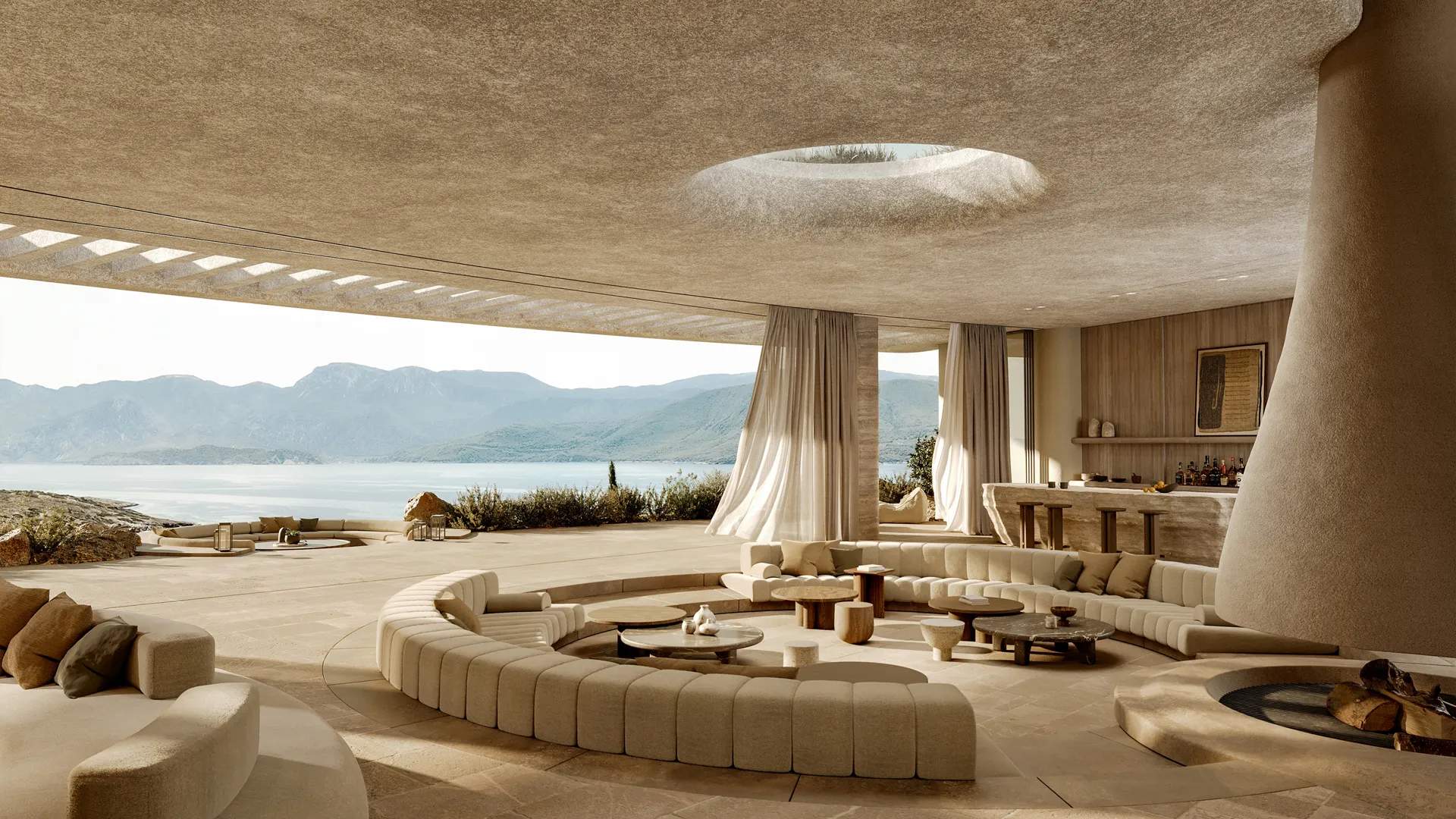
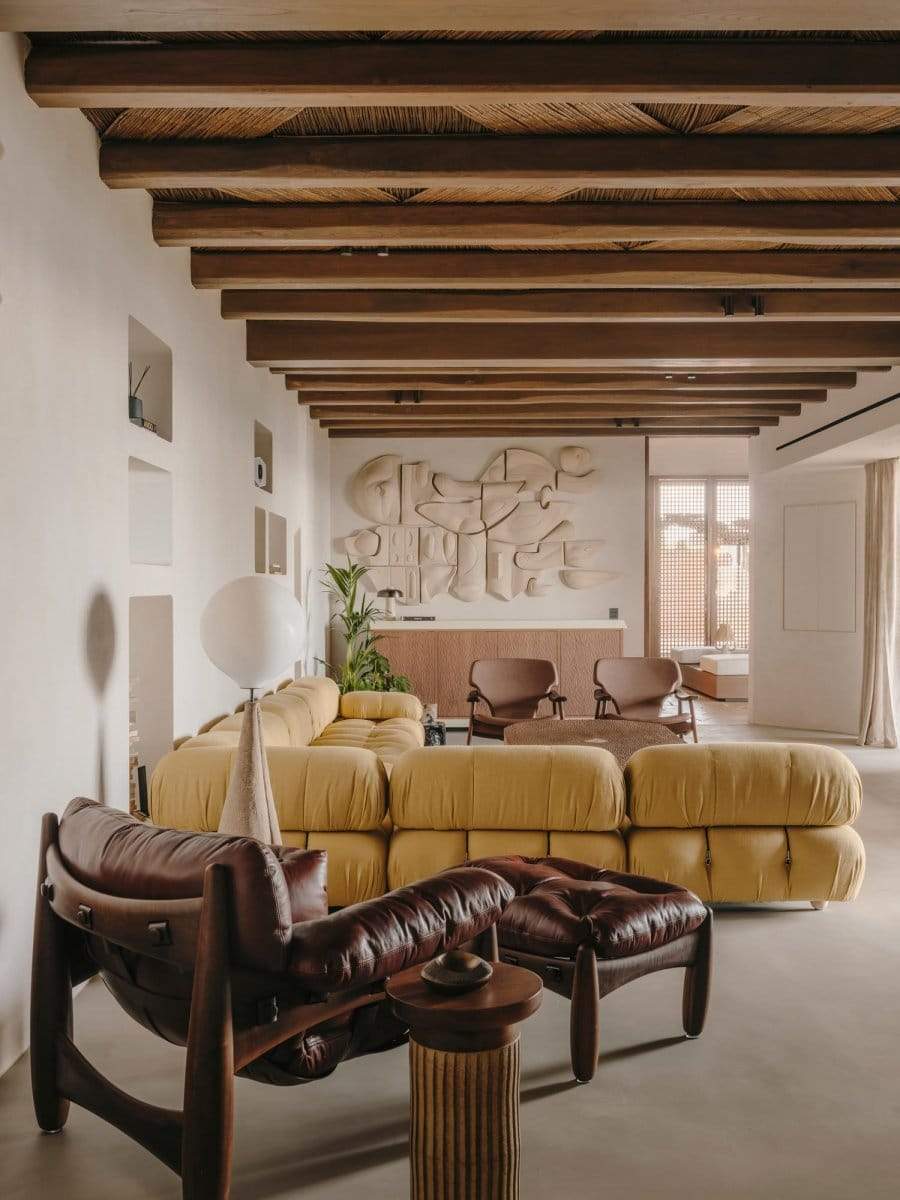
They call it the architecture of enjoyment. Not the shortest distance between two points but the longer path, made beautiful. Empty space that has no function except to make everything around it feel more alive. A corridor that slows you down. A threshold that makes you pause.
The Detail
Dimitris takes the long route home from the studio every evening because it gives him a glimpse of the Acropolis. He pauses there every time. The studio runs kickboxing on Tuesdays and yoga on Thursdays. Friday presentations end with drinks. It is not a hierarchy. It is a community that makes buildings.
What They Preserved
At Dexamenes, nothing was demolished. The original wine tank walls, the steel silos, the industrial courtyard, the patina on every surface. Coffee tables were cut from original concrete blocks. Railings were fabricated from the reclaimed irrigation system. The only thing shipped in from outside was the mattresses.
"As brothers, we have this intrinsic connection and unconditional trust, which allows us to agree, even when we disagree."
K-Studio began as a collaboration between two people with different personalities and complementary strengths. Dimitris and Konstantinos describe the dynamic plainly: different perspectives on the same problem lead not to conflict, but to a better solution. The differences, they say, are what they admire most about each other. That relationship, unconditional in its trust and honest in its disagreement, has shaped how the practice thinks across two decades of projects and over a hundred people.
The Story of K-Studio
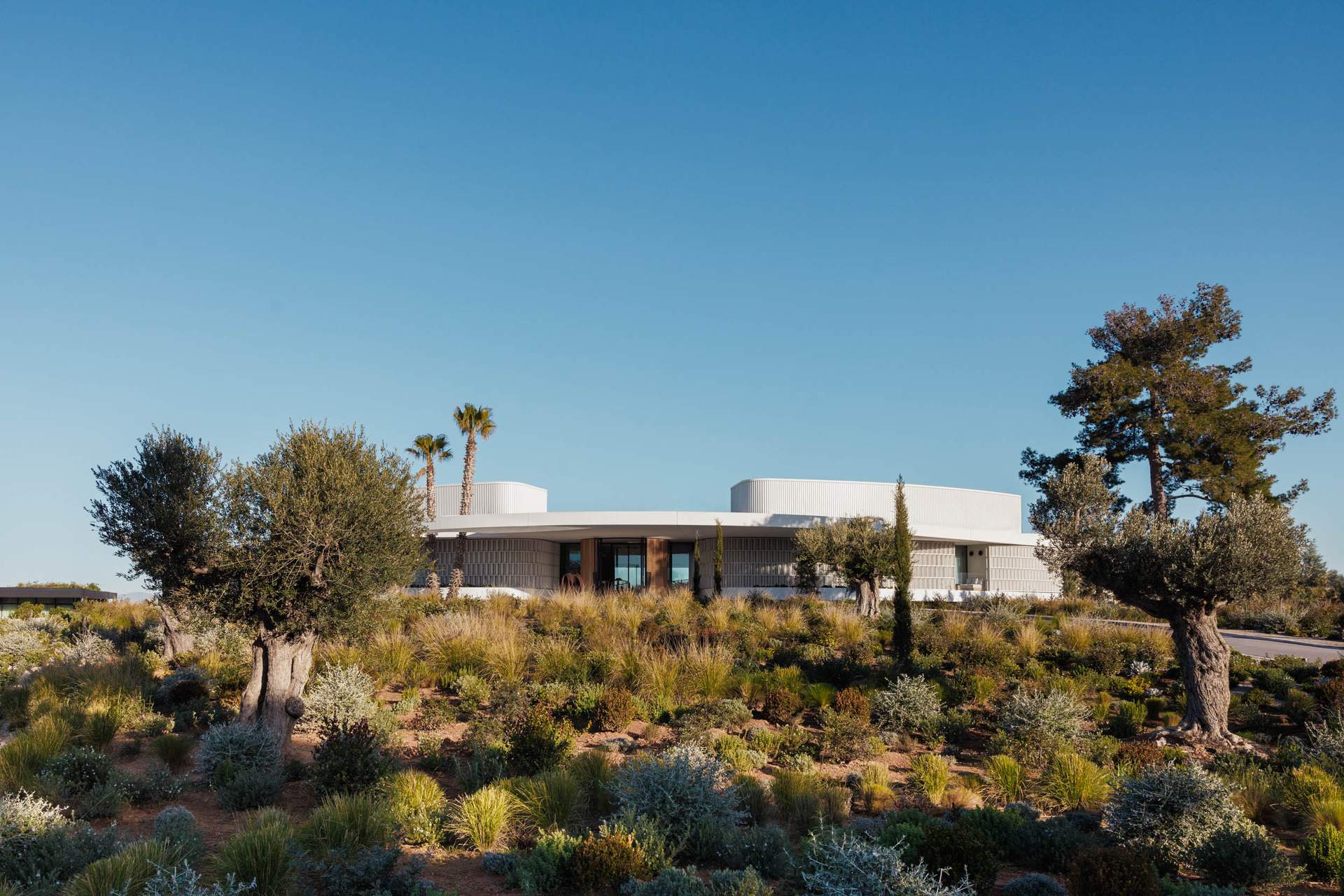
Greek culture is rooted in the meaningfulness of leisure — not as an exceptional moment of escape, but as an integral part of everyday life.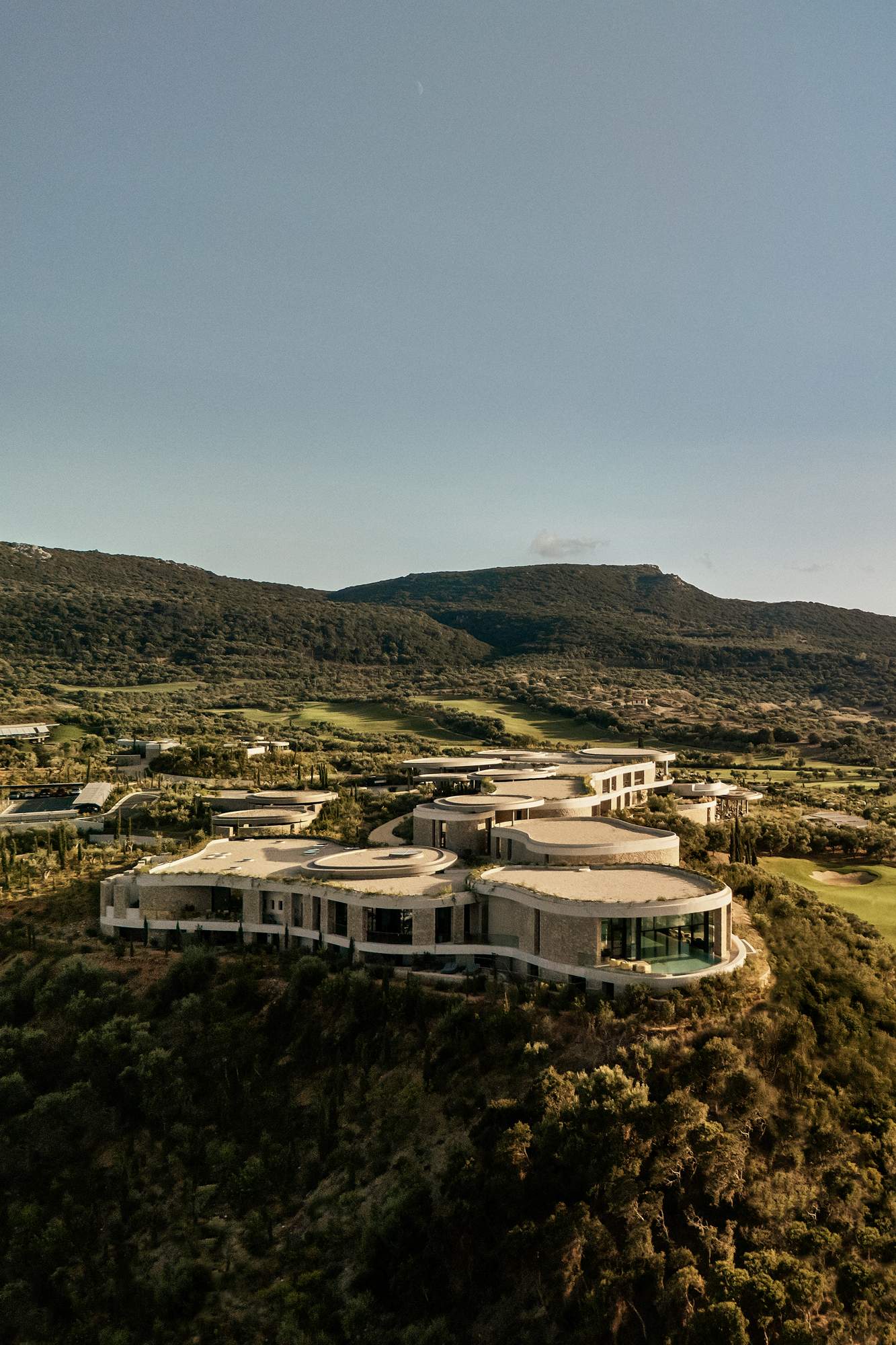
Sometimes what belongs most is not something that blends in. It is something bold and deliberate. An exclamation mark in a sentence that stands out but feels exactly right when placed with care. That is what K-Studio is always looking for. The thing a place has been waiting for without knowing it. The detail that makes everything around it suddenly make sense.
Dimitris and Konstantinos returned to Athens during the worst years of the Greek financial crisis. Every signal pointed elsewhere. But staying in Greece meant bringing something true: their own culture, their own language, their own deep understanding of what it means to live well. Rather than treating Greece as a limitation, they chose to see it as a point of departure. That decision became the source of everything. Every project still begins the same way. By listening to what the place already knows.
"The more deeply rooted a project is in its origins, the more universally it can resonate."
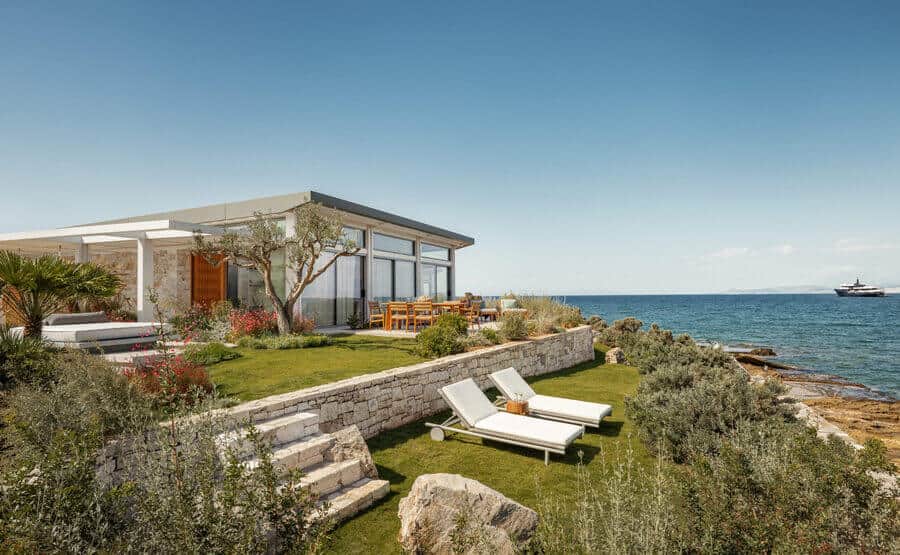
Dimitris and Konstantinos's connection to Greece runs deeper than heritage. It is a philosophy they carry into every project, shaped by a culture that has always understood that the best moments in life are not the ones you plan but the ones you allow. When they returned to Athens during the financial crisis, choosing to stay when everything pointed elsewhere, they were being honest. Greece had already given them everything they needed to build something true. The three principles they have carried since the beginning — contextuality, emotive engagement and craftsmanship — are not a methodology. They are a way of seeing. A belief that architecture should slow you down, open you up, and leave you feeling more alive than when you arrived. That belief has carried them from a derelict wine factory on the Peloponnese coast to a sanatorium hidden in the Arcadian forest. Every project still begins the same way. By asking what the place already knows.