Inside One of the World’s Most Beautiful New Luxury Resorts
Featured Property Namia River Retreat
Opening 2024
Designed by T3 Architects
Location Hoi An, Vietnam
Featured Visionaries Tran Thanh Nam & Michelle Ford
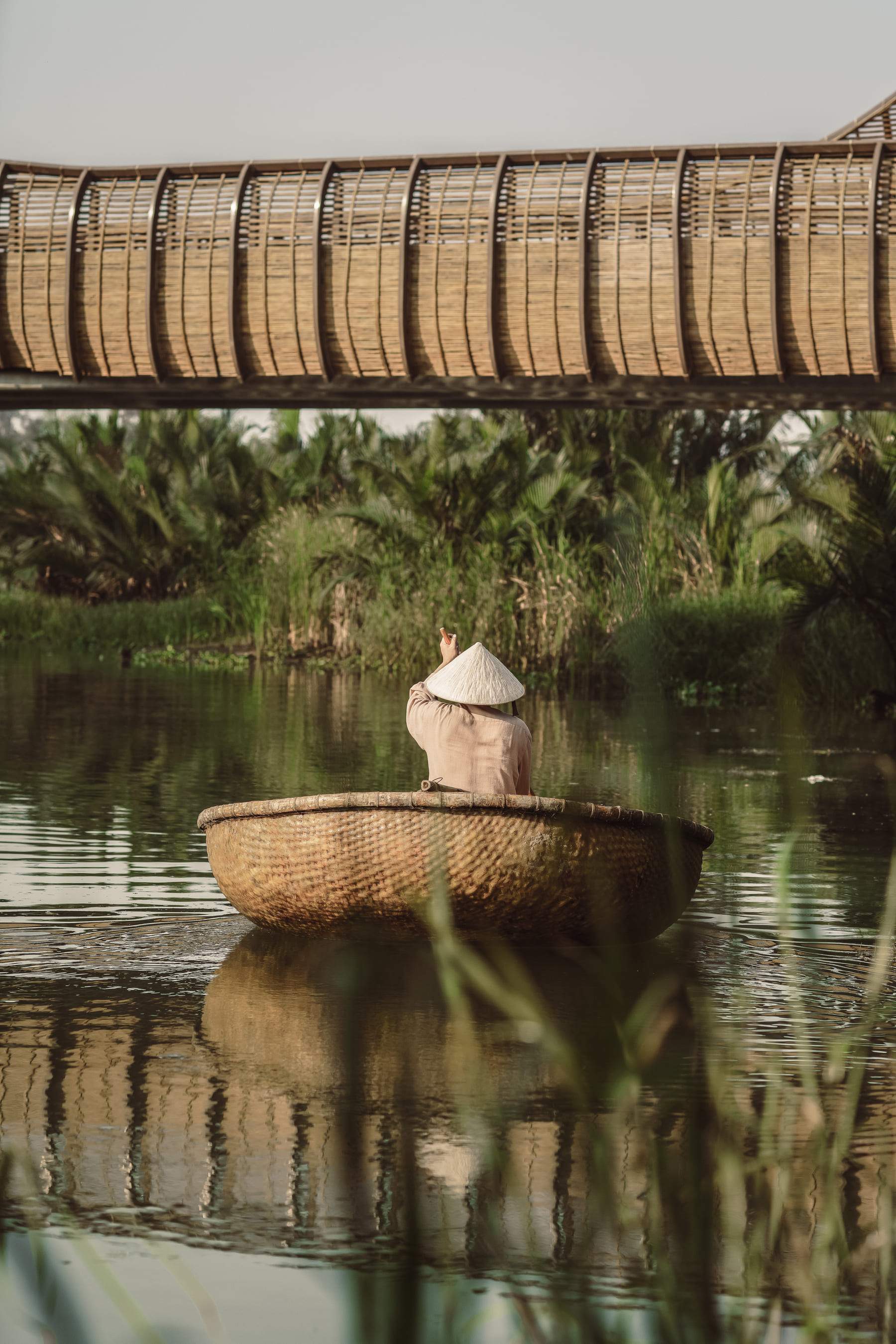
On a private islet in the Thu Bon River where fishermen still drift past in circular basket boats, Namia River Retreat is a 60 villa wellness sanctuary built over a decade by Tran Thanh Nam and Michelle Ford using mangroves rather than concrete, where Vietnamese folk medicine and the rhythm of village life replace the pace of the clock.
Tran Thanh Nam grew up in a rural village in northern Vietnam, where his grandmother treated illness with mugwort steam and herbal bundles gathered from the garden. Lemongrass, bamboo, lemon, steamed in a pot under a blanket. He carried that memory through decades of building HG Holdings and Bhaya Cruises into two of Vietnam's most respected hospitality names. Then on a family trip to Hue, a tour guide pointed out a piece of land on the Thu Bon River that had gone quiet. Something about it stayed with him on the flight back to Hanoi. He had his team look into it. The islet was eroding, slipping slowly into the river. Rather than reinforcing it with concrete, his team planted mangroves along the banks and let their roots hold the soil the way nature intended. Thousands of nipa palms followed. Sixty pool villas now sit on stilts above the natural ground, surrounded by the same palm forest that has lined this stretch of river for centuries. There are no cars on the island. No gasoline engines. Just bicycles, boats, and stillness. Mr Nam spent more than a decade developing the concept with Michelle Ford, founder of Lumina Wellbeing, who had built her career across spa inclusive hotels in Vietnam, Thailand and the Maldives. Every guest, every night, receives 90 minutes of ancient Vietnamese healing. Herbs are mixed fresh in coconut shells by local practitioners trained in Thuoc Nam, a Southern folk medicine that exists only in the memories of elderly healers and is quietly disappearing. Namia was built to keep it alive.
"When I was a child living in the village, whenever we caught a flu, my grandmother went to the garden and picked some leaves, bamboo and lemongrass and lemon, and put them together into a pot and steamed it and put me under the blanket. It is a very traditional way, but after that I felt refreshed. That stayed in my mind. I always wanted to bring it into hospitality."
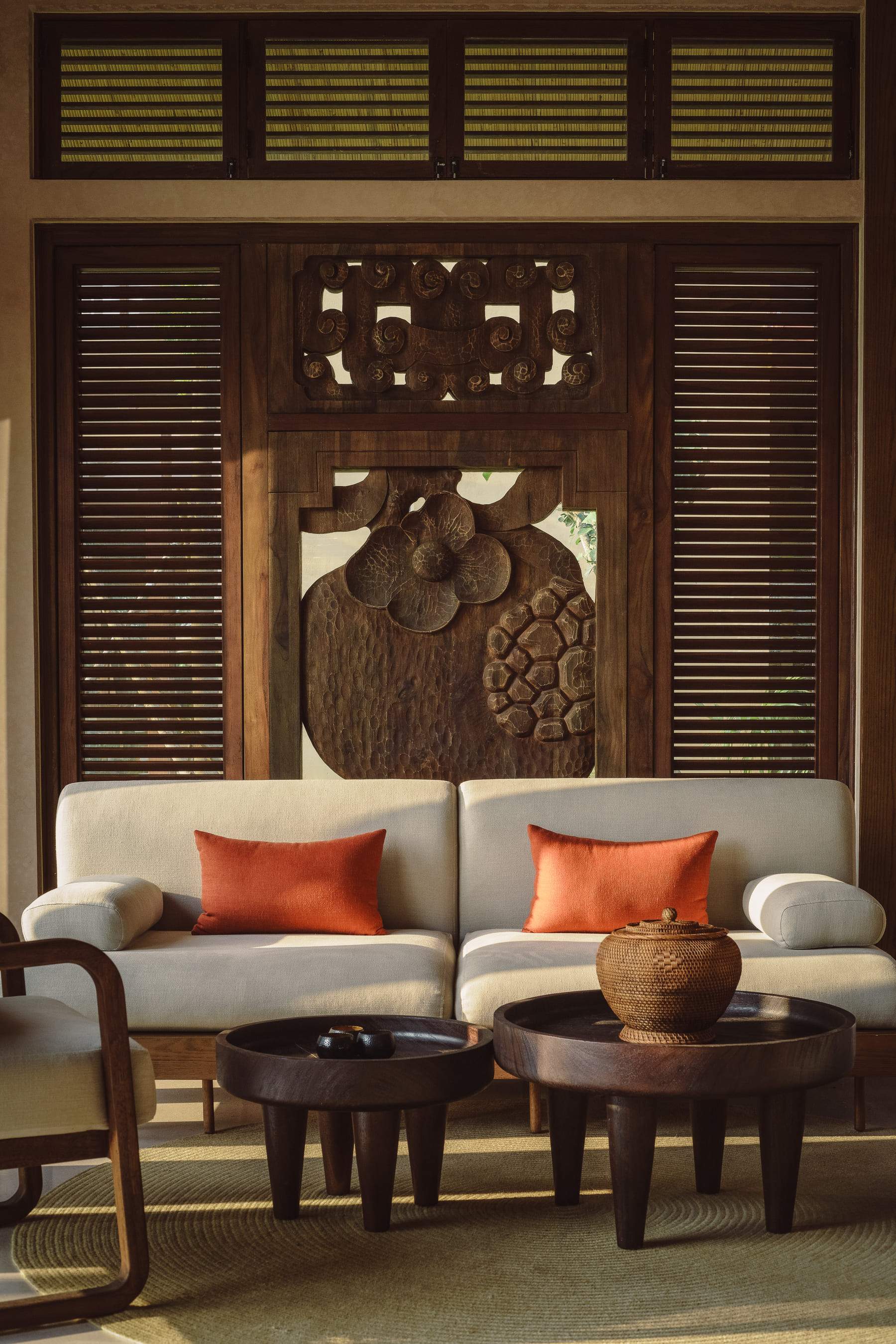
The building began with the land. Before a single villa rose, mangroves went into the riverbanks, their roots reaching down to hold the soil the way concrete never could. Thousands of nipa palms followed, the same palms that have lined this stretch of the Thu Bon for generations. T3 Architects, a French studio based in Ho Chi Minh City known for working with nature rather than against it, drew the villas loosely from the shape of local fishermen's houses, working alongside Kanopea on the wider architectural language. Floors came from ironwood reclaimed from ancestral homes, timber that already carried a century of family life before it arrived here. Nothing feels new in the way new things usually feel. The lobby smells of cinnamon, cardamom, star anise, and pomelo peel saved from the bar, burned in the old way to clear a space. The breeze moves through the rooms without machinery. Light is kept soft so the night sky stays dark enough to see. Birds returned to the bio ponds. Bees and butterflies found the native planting. In the morning, mist sits low over the water and the palms hold still. You hear the river before you see it, and then a boat passes, slow, and the day begins on the water's terms.
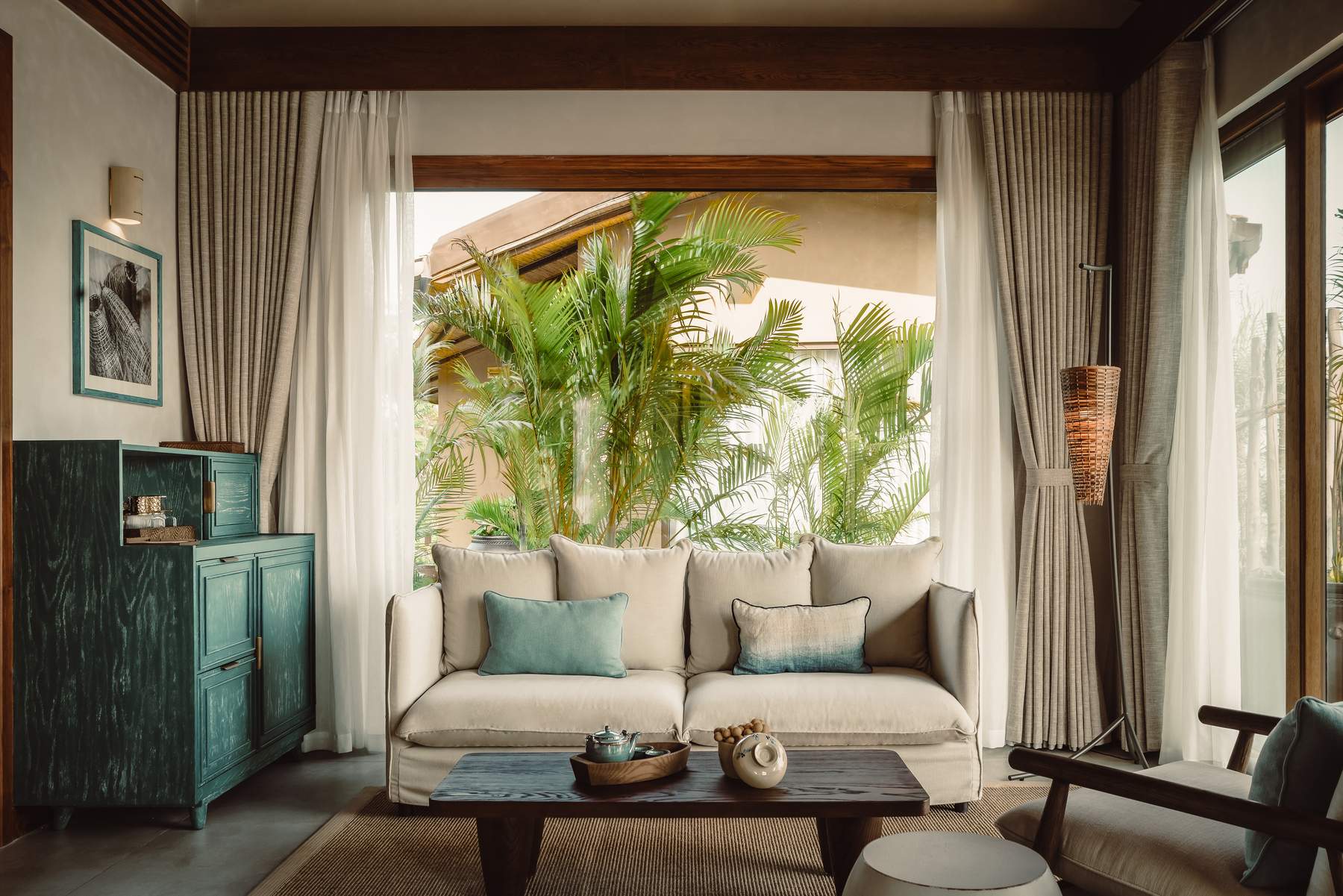
The islet sits where three communes meet on the Thu Bon, which is why the place was originally called Ba Xa, the village where three villages cross. The whole resort is built around that idea, organised as three design stories rather than three buildings. Crafted with Nature draws on Hoi An's wood carving, pottery, copper making and basket weaving villages, with rooms shaped in earthy tones drawn from terracotta and timber. Life by the River takes its blue palette from fishermen's boats and nets. Ritual of Lights answers the lanterns of the old town. In the bar, hundreds of small ceramic fragments were hand placed by local craftsmen to form the shape of a fish, a mosaic that honours the fishing village that has always lived here. Every detail traces back to one of the three.
You arrive by car, boat or bicycle. There is no reception. A host welcomes you the way you would be welcomed into a home in the village. Sixty villas spread across the island, each with a private pool, a sunken bathtub, and a terrace that opens to either the river or the palm forest. The morning begins with Vietnamese coffee in your room and breakfast on the river. Bamboo bicycles take you into Hoi An for the markets, or you stay for the herbal hammam, the apothecary, the prescription mixed in a coconut shell. A traditional treatment follows. Vietnamese acupressure, cupping, or Dien Chan, the facial reflexology developed here by an acupuncturist decades ago. The evening might be a sundowner cruise into the old town, a lantern ritual on the water, or a bath drawn in your room.


"For me, this was a love letter to Hoi An. I have been living here for 20 years, and it was a way I could share what I love about it, a way I could give back, and a way that I could leave a small seed of something that hopefully can grow in the future."
Michelle Ford - General Manager and Co-Creator
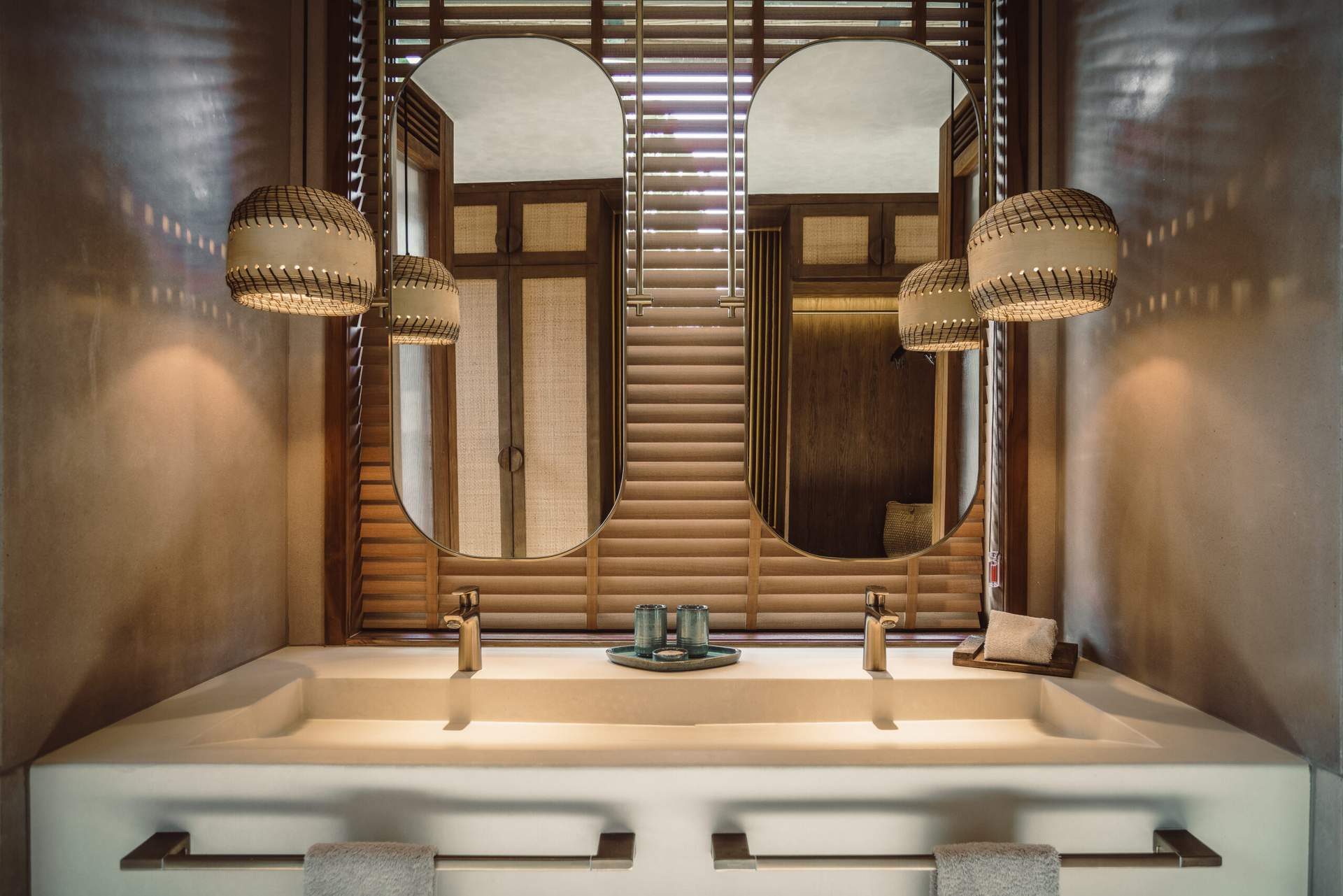
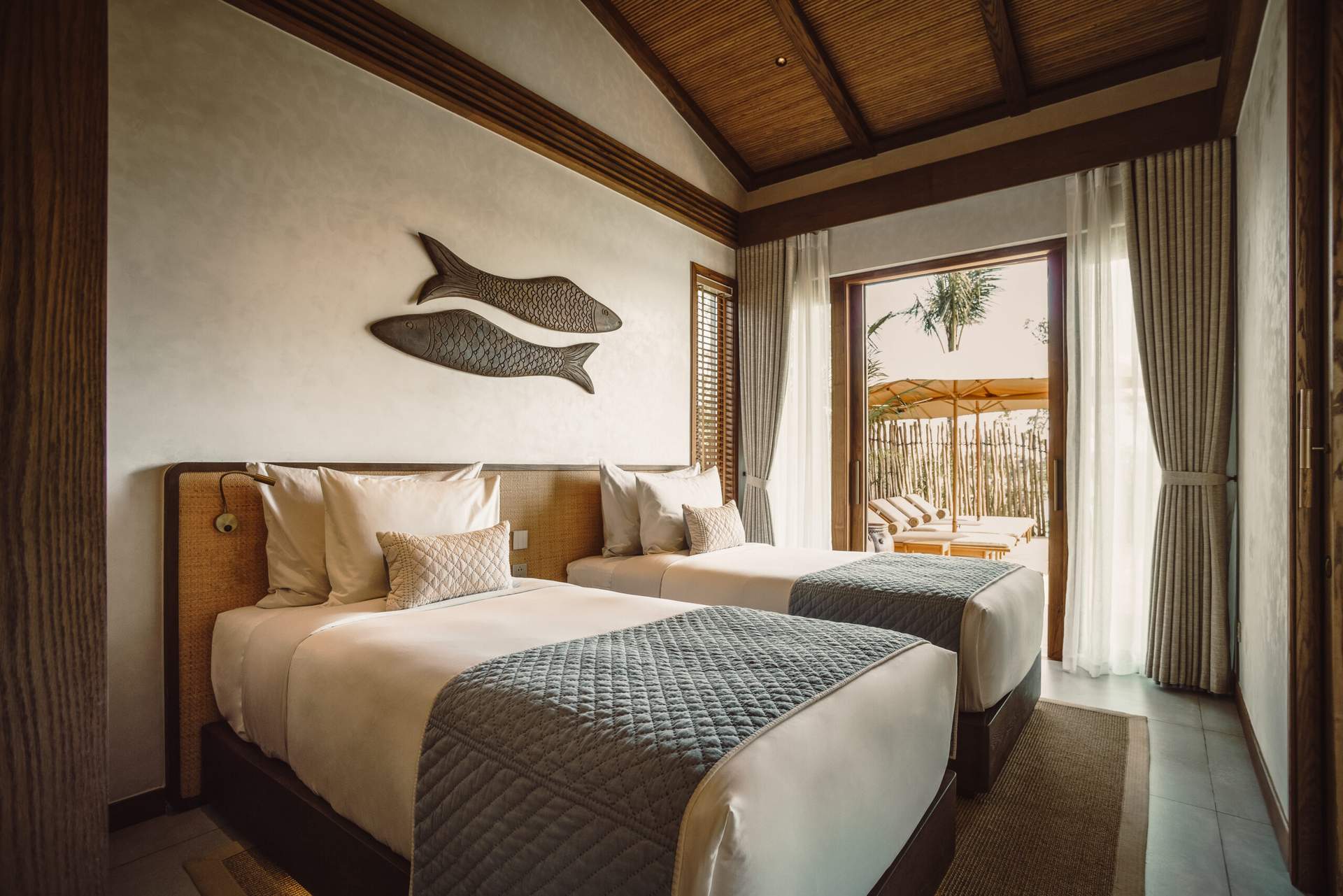
Namia River Retreat opened in December 2024 as the first all villa resort in Hoi An, and was quickly welcomed into Small Luxury Hotels of the World and named one of Town & Country's Best New Country Retreats. The name belongs to Mr Nam's two sons, Nam and Mia, and the place is built as a legacy for them. The island that was sinking now stands on its own roots. The healers who carry Thuoc Nam have somewhere to pass it on. The fishing village that has always lived along the Thu Bon now has a mosaic of itself in the bar wall. Just fifteen minutes from the lanterns of the old town, it is a place built on the belief that the best kind of luxury leaves everything it touches a little healthier than it found it.


